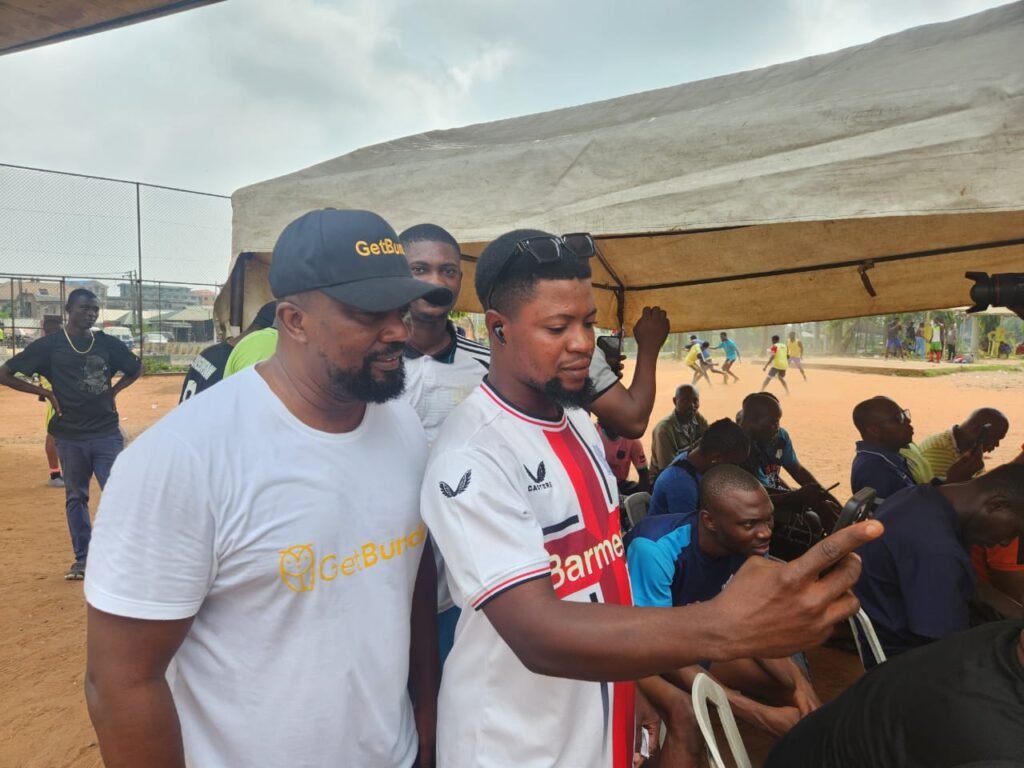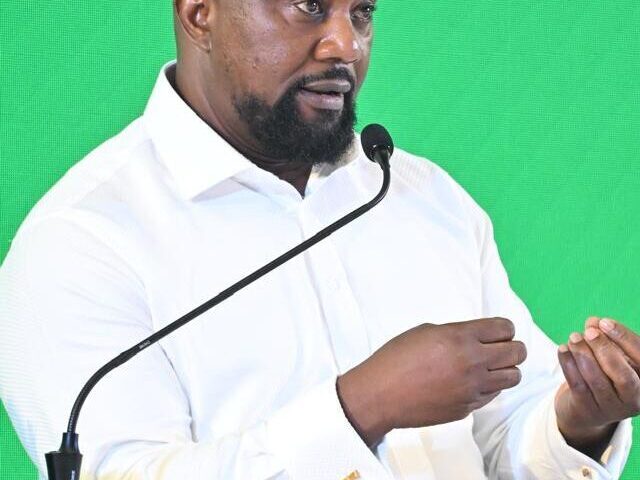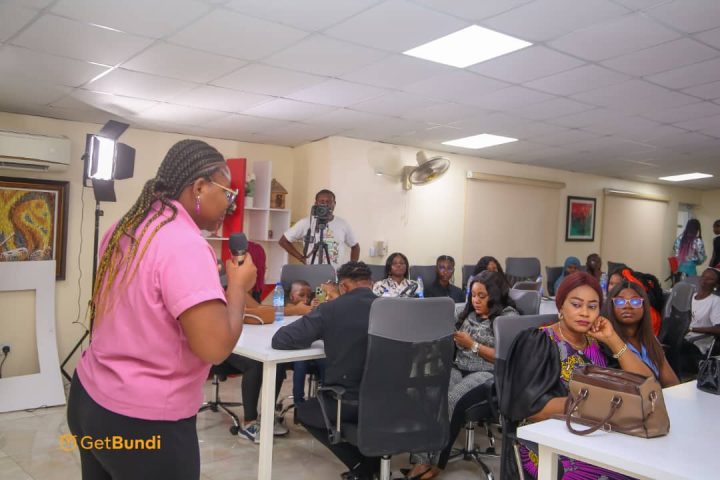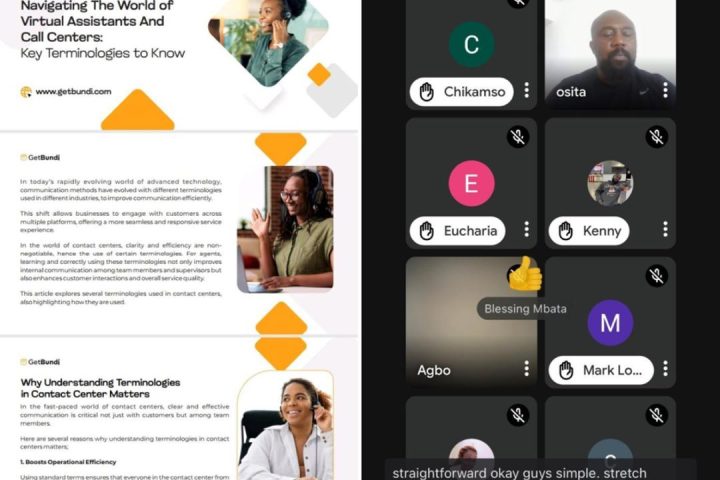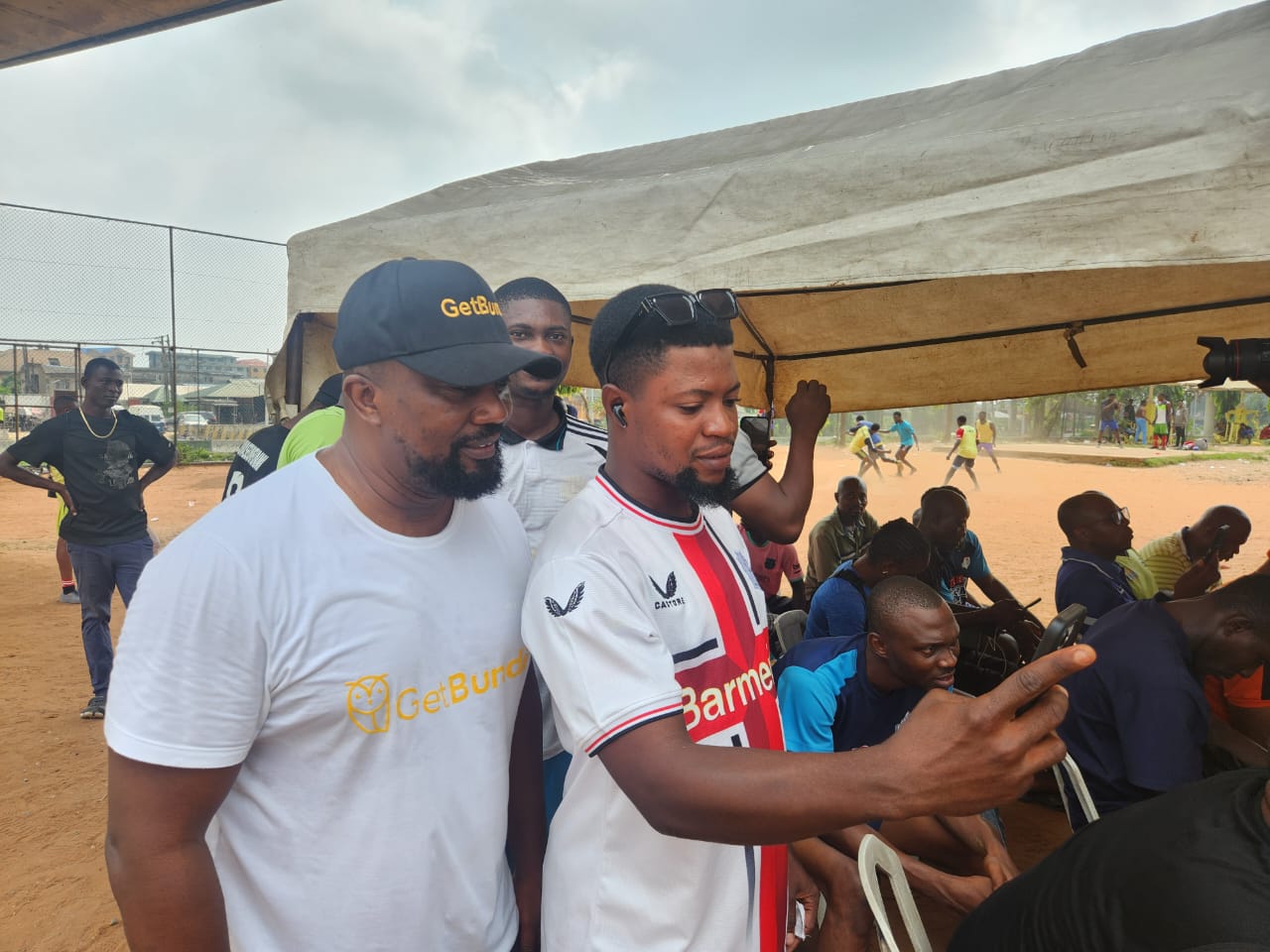
My team and I taught Nigerian youths cinematography and video editing using nothing more than their mobile phones and their indigenous languages. And what we witnessed was remarkable: when learning becomes accessible, relatable, and culturally rooted, young people engage as creators, not merely consumers of knowledge.
This is the future of education.
Not confined to a classroom, but active in communities.
Not driven by fear of failure, but by curiosity and imagination.
Not restricted by language but expanded through it.
Africa is the fastest-growing mobile phone market in the world. Even in rural and low-income communities, mobile penetration is high. Young people are far more likely to own a mobile phone than to have access to a computer, a library, or a stable school system.
This reality presents an enormous, often overlooked opportunity.
If the mobile phone is the most available device, why isn’t it the most utilized tool for learning?
If young people are already creating content, connecting socially, and exploring ideas on their phones, why aren’t we delivering structured, empowering education to the same device?
To unlock Africa’s next generation of creators, entrepreneurs, and innovators, we must take education to where they already arein their hands, not just in school buildings.
One of the biggest barriers to effective learning across Africa is language. Too many young people are taught subjects in English, French, or Portuguese—languages they speak only partially, if at all. This creates a system where students memorize to pass exams but rarely internalize knowledge deeply.
When we teach digital skills in indigenous languages:
- Comprehension improves
- Confidence grows
- Creativity explodes
- Young people see themselves reflected in what they learn
A learner who understands fully is a learner who can create boldly.
At GetBundi, we are pioneering that localizing digital education is not a cultural luxury. It is a necessity for equity, inclusiveness, and long-term development.
If we want to close the gap for out-of-school youths…
If we want to empower low-income and rural communities…
If we want a continent driven by innovation rather than dependency…
…then we must redesign education from the ground up.
This means:
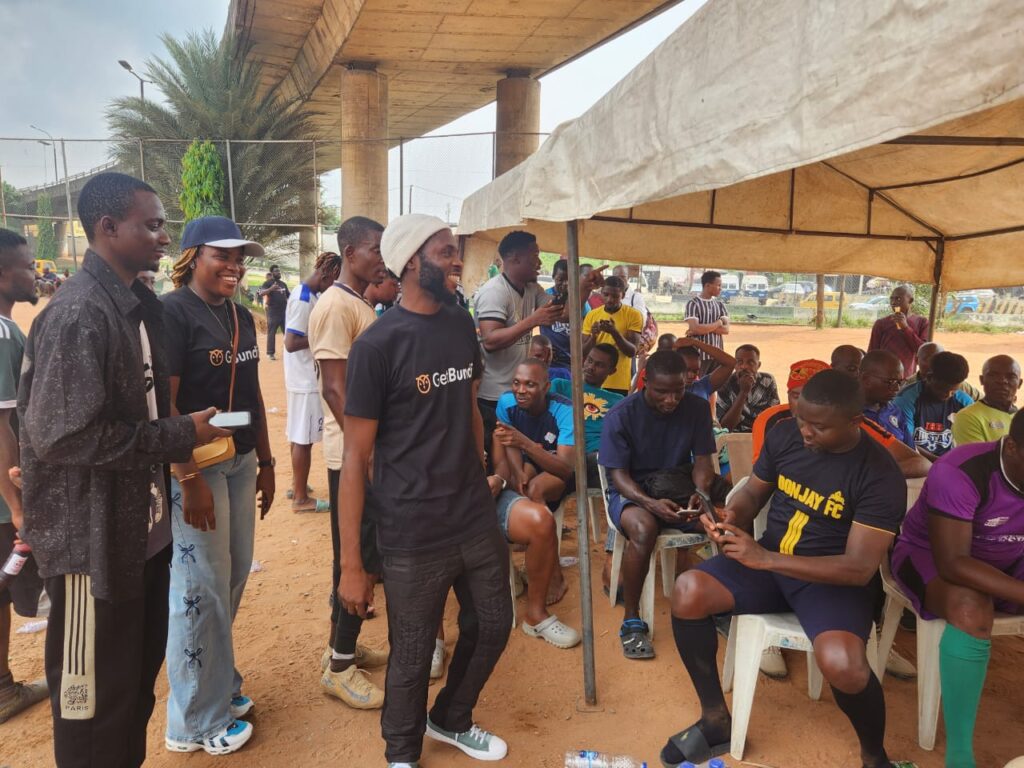
- Delivering digital skills through mobile phones
- Teaching in indigenous languages
- Making learning culturally relevant
- Creating pathways that connect knowledge to real economic opportunity
- Viewing youth not as passive recipients, but as active creators of solutions
The next great filmmaker, app developer, digital marketer, or community storyteller may not be sitting in a classroom today. But they may be holding a phone in their hand, waiting for a chance to learn in a language and format that speaks to them.
Africa’s future will not be shaped by infrastructure alone, but by imagination.
Not only by technology, but by access.
Not only by education, but by rethinking what education truly means.
Let us build a continent where every young person, no matter where they are born, has the tools, the language, and the confidence to thrive in a digital world.
Let us meet learners where they are.
Let us teach in the languages they understand.
And above all, let us unlock the brilliance that already exists in every African community.
The future of Africa is in the hands of its youth.
Our responsibility is to make sure those hands hold not just mobile phones but opportunities.